Hedge Trimming in Mill Hill

We provide hedge trimming in Mill Hill for gardens that need clean lines, controlled growth and a finish that suits the planting rather than fighting it. The work can range from light seasonal shaping through to firmer reductions where hedges have grown unevenly, become top-heavy or started to block paths, light and sight lines. Our focus is on precise trimming, sensible cutting choices and a neat result that supports the hedge’s form.
Alongside regular trimming, we can handle related hedge care tasks such as garden maintenance when hedges are part of a wider frontage or boundary routine, and garden clearance where neglected growth needs to be brought back under control before a proper trimming schedule can begin. For larger gardens or more developed planting schemes, landscape gardening may also be relevant when the hedge sits within a broader layout that needs renewing or reshaping. Our services overview gives a broader view of the work we cover.
Good hedge work is not just about cutting the outer surface. It also depends on knowing how to keep lower growth healthy, how much material should be removed at one time and where a hedge should be left to recover rather than pushed too hard. We trim with those practical limits in mind, aiming for a tidy appearance without leaving the hedge looking stripped or lopsided. If you are planning a one-off cut or need a quotation for repeat visits, view pricing and quotations or simply request a quote through the site.
Hedge cutting and shaping for everyday garden use
Hedges often need different treatment depending on their role. A boundary hedge may need height reduction to keep an entrance open, while a front-garden hedge might only need face trimming to preserve shape and visibility. We work to the plant’s structure rather than forcing a standard finish, because a clipped formal hedge and a looser mixed hedge benefit from different methods. That approach helps the cut look balanced from the pavement side, the garden side and along the top edge.
Where growth has spread beyond its normal outline, we can reduce the bulk in stages and create a cleaner profile without making the result look harsh. This is especially useful for hedges that have developed uneven shoulders, thick ends or narrow sections caused by previous overcutting. In practical terms, the job may involve topping, side reduction, straightening lines or restoring symmetry. For clients who want to combine the hedge with wider grounds care, lawn mowing can sit neatly alongside trimming work, while this hedge trimming service page shows the core service area in more detail.
When you ask us to trim a hedge, it helps to think about the outcome you want: lower and neater, better balanced, or simply kept within a set boundary. You do not need to over-explain the garden, but it is useful to mention whether the hedge is formal, mixed, evergreen or deciduous, and whether any sections are especially tall, narrow or difficult to reach. That allows the work to be planned around the hedge itself rather than treated as a one-size-fits-all cut.
What a careful hedge trim should achieve

A well-trimmed hedge should look deliberate from every angle. The top should sit cleanly, the sides should read as a continuous line, and the hedge should still retain enough growth to stay healthy and full. For many gardens, the best result is one that looks sharp without appearing overworked. That balance matters because a hedge is both a living plant and a visual boundary, so the cut has to support both function and form.
Good hedge maintenance often comes down to small but important decisions about the cut. Some hedges need a tighter finish to keep formal lines crisp, while others respond better to a lighter trim that preserves texture. If the hedge forms part of a screen or boundary, we also consider how much density is needed after cutting so it still does its job. In some cases, a hedge benefits from being worked more gradually over repeated visits rather than being cut back too severely at once.
For properties with mixed planting, hedge trimming can sit alongside landscaping when the surrounding beds or borders need resetting, and tree lopping and removal may be relevant if nearby branches are affecting the hedge’s shape or light. About us explains the wider company background, while hedge-specific work remains focused on the visible finish, health and usefulness of the hedge itself. If you are deciding what level of cut is appropriate, start with the end result you want and then ask for a quotation based on that.
Regular hedge maintenance or one-off correction
Some customers want hedge trimming as part of a routine maintenance cycle, while others need a correction after a long gap between cuts. Those two jobs can look similar at first glance, but they are rarely the same in practice. Routine trimming is usually about staying ahead of growth and preserving shape, whereas corrective work may need more time spent levelling uneven sections, easing out bulges and re-establishing the hedge’s outline without taking too much at once.
If a hedge has been left to run for a while, the safest approach is often to reduce it sensibly rather than forcing a drastic finish. Dense hedges may need selected cutting to avoid creating gaps, and younger hedges may benefit from shaping that encourages them to thicken at the base rather than becoming top-heavy. We can also discuss whether a hedge is better treated as a repeated maintenance task or as a gradual restoration job. That conversation is usually easier once the hedge has been assessed in context.
The most useful details are straightforward: the hedge type if you know it, whether it is front-facing or in a rear garden, and whether access is simple or limited by narrow paths, garden furniture or slopes. You do not need to prepare a full plan, but a brief description helps us understand the scale of the work and what sort of finish you want. For straightforward next steps, get in touch or ask for a quotation when you are ready.
Hedge types and the right cutting approach
Different hedges respond differently to trimming, and that is one reason a careful approach matters. Formal hedges usually need crisp straight lines and a consistent finish, while informal hedges may look better with a softer outline that keeps a more natural character. Evergreen hedges can hold their shape well when trimmed regularly, but they still need the cut to respect the growth habit. Deciduous hedges may need a slightly different rhythm, especially where seasonal growth changes the hedge’s density.
Where a hedge has mixed thickness, we may work in sections to avoid overcutting one area while leaving another untouched. This is useful for boundary runs that include thicker corners, shaded stretches or sections that have been previously damaged. The aim is always to bring the hedge back into a coherent line. If the hedge sits near planting beds or hard landscaping, careful trimming can also help prevent the cut from spreading debris into areas that need to stay clear. In suitable projects, decking services may be relevant when the hedge borders a seating or access area that is being improved at the same time.
Consistent hedge care is often better than a sudden heavy cut, particularly for hedges that form the main visual line of a front garden. Small adjustments over time tend to leave a more stable result and reduce the chance of uneven regrowth. If you are not sure how much to remove, ask for a quotation based on the hedge’s current condition and the finish you want, rather than guessing at the right amount of work.
How hedge trimming supports the rest of the garden

Hedges rarely stand alone. They frame lawns, define borders, edge paths and influence the overall impression of the garden. A neat hedge can make the surrounding space easier to read, while an overgrown hedge can make beds, fences and paving feel crowded. Trimming therefore has a practical role as well as a visual one: it can keep circulation routes clear, stop growth from spilling into nearby planting and help the rest of the garden look more organised.
When hedges are part of a broader maintenance plan, it can make sense to combine them with related tasks rather than tackling each area separately. Garden maintenance can cover the regular upkeep that keeps the whole plot in balance, and lawn mowing may be useful where a trimmed hedge needs the rest of the garden to look equally cared for. If the hedge is contributing to a full redesign or refresh, landscape gardening can help place the hedge within a more coherent layout. The right combination depends on how much the hedge influences the surrounding space.
For practical planning, it is helpful to think about the hedge as part of a sequence rather than an isolated job. A hedge near paving may need a cleaner cut to keep the route open, while a hedge beside a lawn may need the base line kept tidy so the whole edge reads well. If the boundary planting is already serving its purpose and simply needs a controlled tidy-up, a focused trimming visit is often enough. If you are comparing options, ask for a quote and describe the hedge’s position as clearly as you can.
Trimming hedges with access and height in mind
Access affects hedge work more than many people expect. A hedge along a driveway, beside a narrow side return or behind stepped garden levels can require different handling from an open boundary line. We take the shape of the site into account so the work stays controlled and the finish remains accurate. For taller hedges, the upper line has to be judged carefully because a small mistake can stand out from the house, the garden or the street.
Height also influences how a hedge should be cut back. A simple top trim may be enough where the hedge is already in good form, but a taller or uneven hedge may need a more cautious reduction that preserves balance and avoids a heavy look. In these situations, the aim is usually to restore a useful height, improve light and keep the hedge within manageable reach for later maintenance. Where a hedge has outgrown its intended line, stepping the work down gradually is often the more sensible route.
Some gardens need more than one type of cutting work, especially where a hedge joins trees or taller boundary planting. In those cases, tree lopping and removal may be relevant if branches are causing shadow or crowding, and garden clearance may help where the area around the hedge has become cluttered with cuttings or unwanted growth. The most helpful enquiry is a concise one: tell us what the hedge is doing now, what it needs to do, and whether access creates any limits.
Preparing for a quotation
If you want a quotation for hedge trimming, the most useful information is usually simple and practical. A photo can be helpful, but a short description of the hedge’s length, height and general condition often matters just as much. It also helps to mention whether the hedge is front, side or rear, whether it is easy to reach, and whether there are any particular concerns such as width, uneven growth or nearby paving that needs protecting during the work. That gives enough context for a sensible estimate without turning the enquiry into a long form.
When the hedge is part of a larger garden, a quotation may need to take into account other tasks too. For example, a hedge that has not been touched for a while may sit alongside broader garden clearance, while a settled garden might only need regular trimming and the occasional visit to garden maintenance. If you are planning improvements beyond the hedge, landscaping can be useful where borders, paths or planting layouts are also being reconsidered. Keep the enquiry focused on what you need now, then decide how far to extend the work afterward.
There is no need to overprepare. A short message is enough to start the process, and you can refine the details once the main shape of the job is understood. If you are ready to move forward, pricing and quotations is the best place to begin, or you can simply request a quote in plain text if you prefer not to browse further.
About Mill Hill
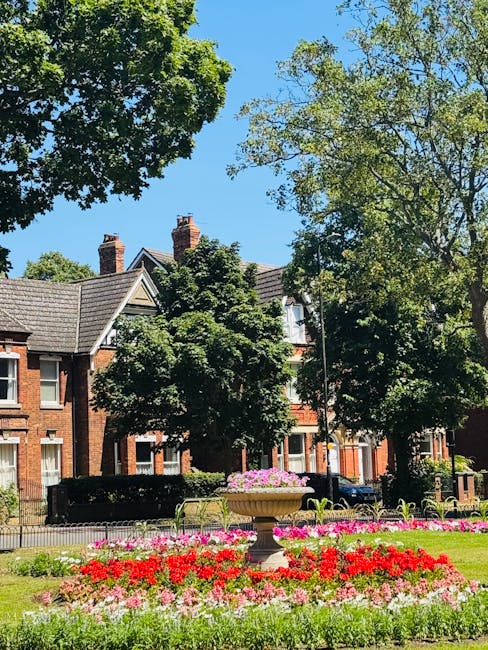
Mill Hill is a north London area associated with higher ground, varied residential streets and a long-settled suburban character that developed over time as the district changed from rural and semi-rural land into a more built-up part of the capital. The place name is often linked to the former windmill that stood on the hill, a reminder of the area’s earlier landscape before urban expansion. Today, Mill Hill includes a mix of housing styles, local shopping parades and open green spaces that give the district a more spacious feel than many inner-London neighbourhoods. The area sits within the wider Barnet borough and is known for its blend of everyday residential life and historic continuity. One of its best-known green spaces is Mill Hill Park, while further afield the broader local landscape includes countryside edges and mature tree cover that help shape the area’s identity. The presence of long-established institutions, churches and school buildings adds layers of architectural variety, so the district contains both older surviving structures and later suburban development. That mix can be seen in its roads, boundaries and open spaces, where the topography still influences how the area reads on foot. As with many parts of north west London, Mill Hill combines practical day-to-day uses with reminders of its earlier settlement pattern, and that contrast remains part of its character.
Working around boundary hedges, front gardens and shared edges

Boundary hedges often need more care than they first appear to. A hedge along a front garden may have to look presentable from the road while still remaining healthy on the garden side, and a hedge between neighbouring plots may need a balanced finish that respects the shape on both sides. The cut should support the hedge’s role as a boundary rather than creating a flat, lifeless strip. That means paying attention to the top, the sides and the base line where the hedge meets the ground.
For shared edges, communication and practical accuracy matter because the hedge may form part of the visual setting for more than one property. We therefore aim for a clean, controlled cut that leaves the hedge looking intentional rather than hacked back. If the hedge is part of a frontage, a neat finish can also improve the presentation of gates, paths and planting around it. For larger sites, the hedge may be one element of a bigger grounds-care pattern, with landscape gardening or services overview helping to frame the wider work available.
Good results usually come from matching the trim to the hedge’s purpose. A screening hedge may need enough depth left in place to continue obscuring views, while a decorative hedge may be trimmed for a more formal, tighter outline. Both can be done well, but they should not be treated the same. If you are unsure how much growth should stay in place, it is better to describe the hedge’s function and let that guide the quotation than to focus only on its height.
Choosing the right hedge service at the right time
Some hedge work is best done as a planned routine, while other jobs need a more immediate response because the hedge has become untidy, obstructive or simply too large for the current layout. Choosing the right service starts with understanding the hedge’s condition and the result you want. A maintenance trim keeps growth under control; a corrective trim restores a lost line; a wider garden tidy-up may be needed where the hedge is only one part of the issue. Matching the task to the need is usually the quickest way to get a sensible result.
Our hedge trimming service is intended to be practical and straightforward. We focus on visible shape, sensible reduction and a finish that suits the hedge rather than forcing it into an unsuitable form. Where relevant, related services such as garden maintenance, garden clearance and tree lopping and removal can sit alongside the hedge work if the site needs more than a single cut. That way, the garden can be dealt with in a coordinated way instead of piecemeal.
If you are ready to arrange the work, request a quotation and include a brief description of the hedge, the access and the finish you want. For clear pricing information, the most relevant next step is contact us, which is the final place to send a straightforward enquiry.
Hedge care that keeps the garden in proportion

Well-trimmed hedges help a garden feel orderly without making it look over-managed. They can frame the frontage, soften hard edges and give the rest of the planting a clearer shape. In that sense, hedge trimming is as much about proportion as it is about cutting. A hedge that sits at the right height and width can make a modest garden feel more settled, while a hedge that has been allowed to spread too far can crowd the rest of the plot. The practical aim is to bring the hedge back into scale with its surroundings.
That is why we keep the service focused on the hedge itself, with related work available only where it genuinely adds value. If the hedge sits within a larger scheme, landscaping may help reshape the setting, and services overview can be useful if you want a broader view of the available options before choosing the next step. For a more detailed look at our wider company information, about us remains available, but the hedge work on this page is intended to stand on its own as a clear service description.
Whether you need a light tidy, a seasonal cut or a more noticeable correction, the next step is to make the job specific enough for a proper quotation. A short description is usually sufficient, and if the hedge is part of a larger maintenance pattern, mention that too. Ask for a quote when you are ready, and we can help you move from an overgrown line to a neat finish.